गिलास आधुनिक जीवन र औद्योगिक उत्पादनको एक आवश्यक भाग बनेको छ। यसका धेरै रूपहरू मध्ये,आकारहीन गिलासयसको विशिष्ट भौतिक र रासायनिक गुणहरूको कारणले गर्दा यो फरक देखिन्छ। यस लेखमा, हामी आधारभूत अन्वेषण गर्नेछौंगिलासका विशेषताहरूर किन तिनीहरूले यसलाई देखि लिएर अनुप्रयोगहरूमा यति मूल्यवान बनाउँछन्प्याकेजिङ गिलास कन्टेनरहरूवास्तुकला र अप्टिकल प्रयोगहरूमा।
गिलास भनेको के हो?
गिलास एक विशेष होक्रिस्टलीय नभएको ठोसक्रिस्टलीय पदार्थहरू भन्दा फरक, यसको आणविक संरचनाले लामो-दायरा क्रमबद्ध ढाँचा पछ्याउँदैन तर यसको सट्टा तरल पदार्थहरू जस्तै छोटो-दायरा क्रम देखाउँछ।
परम्परागत रूपमा, पग्लिएको घोललाई चिसो पारेर गिलास बनाइन्छ। हालैका दशकहरूमा, यो मार्फत पनि उत्पादन गर्न सकिन्छपग्लन नसक्ने विधिहरू, जस्तै तरल-चरण निक्षेपण, हाइड्रोलिसिस, वा विकिरण। सूक्ष्म स्तरमा, गिलासमा नियमित जालीको अभाव हुन्छ, तर म्याक्रोस्कोपिक स्केलमा, यसले क्रिस्टलहरू जस्तै मेकानिकल गुणहरू प्रदर्शन गर्दछ - उदाहरणका लागि, यसको फ्र्याक्चर सतहले सामान्यतया खोल जस्तो ढाँचा देखाउँछ।
गिलासका चार प्रमुख विशेषताहरू
१. आइसोट्रोपी
गिलास एउटा होसमस्थानिक पदार्थ, जसको अर्थ सबै दिशामा समान गुणहरू छन्।
-
शक्ति, लोचदार मोड्युलस, तापीय विस्तार, तापीय चालकता, अपवर्तन सूचकांक, र विद्युतीय चालकता दिशाको पर्वाह नगरी एकरूप रहन्छ।
-
यसको विपरित, क्रिस्टलीय पदार्थहरूले प्रायः अभिमुखीकरणको आधारमा एनिसोट्रोपी देखाउँछन्।
-
यद्यपि, जब आन्तरिक तनावहरू अवस्थित हुन्छन्, आइसोट्रोपी बाधित हुन सक्छ, जसले गर्दा बाइरेफ्रिन्जेन्स जस्ता घटनाहरू निम्त्याउन सक्छ।
फाइदा:यो आइसोट्रोपीले अप्टिक्स, खाद्य प्याकेजिङ, र रासायनिक भण्डारण जस्ता क्षेत्रहरूमा गिलासलाई अत्यधिक भरपर्दो र स्थिर बनाउँछ।
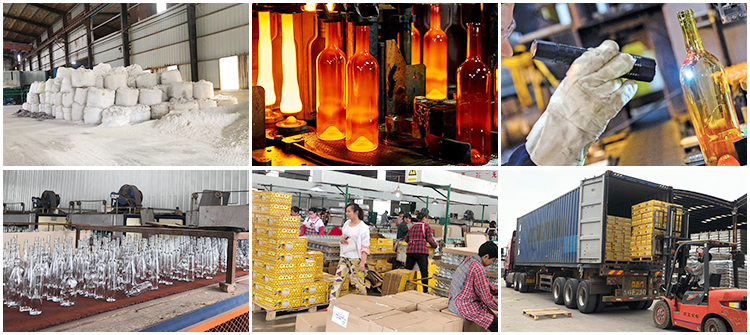
२. मेटास्टेबिलिटी
गिलास a मा अवस्थित छमेटास्टेबल अवस्था.
-
थर्मोडायनामिक दृष्टिकोणबाट, यसको ऊर्जा स्तर क्रिस्टलीय ठोस भन्दा बढी छ।
-
गतिज दृष्टिकोणबाट, कोठाको तापक्रममा यसको अत्यधिक उच्च चिपचिपापनको कारण, यो स्वतःस्फूर्त रूपमा क्रिस्टलमा रूपान्तरण हुन सक्दैन।
-
केही निश्चित अवस्थाहरूमा मात्र, जब क्रिस्टलाइजेसनको लागि सक्रियता ऊर्जा अवरोध पार गरिन्छ, गिलास क्रिस्टलाइज हुन सक्छ।
फाइदा:मेटास्टेबिलिटीले गिलासलाई उत्कृष्ट दीर्घकालीन स्थिरता दिन्छ, जसले गर्दा सामान्य भण्डारण अवस्थाहरूमा यसको गुणहरू कायम राख्न सकिन्छ। यो गिलासका कन्टेनरहरू खाना र पेय पदार्थहरू संरक्षणको लागि आदर्श हुनुको मुख्य कारणहरू मध्ये एक हो।
३. संरचना र गुणहरूको निरन्तर भिन्नता
गिलासको संरचना निश्चित दायरा भित्र निरन्तर परिवर्तन हुन सक्छ, र यसको गुणहरू तदनुसार परिवर्तन हुन्छन्।
-
क्रिस्टलीय ठोस पदार्थहरूको विपरीत, जसलाई निश्चित परमाणु अनुपात चाहिन्छ, गिलासले सूत्रीकरणमा धेरै लचिलोपन प्रदान गर्दछ।
-
यसको संरचना समायोजन गरेर, गिलासले उच्च पारदर्शिता, एसिड र क्षार प्रतिरोध, वा सुधारिएको थर्मल झटका प्रतिरोध जस्ता विभिन्न गुणहरू प्राप्त गर्न सक्छ।
फाइदा:यो लचिलोपनले गिलासलाई विभिन्न अनुप्रयोगहरूको लागि उपयुक्त बनाउँछ, देखिवाइनका बोतलहरू र खानाका जारहरूउन्नत अप्टिकल र इलेक्ट्रोनिक कम्पोनेन्टहरूमा।
४. ठोस र पग्लिने बीचको निरन्तर संक्रमण
गिलासलेक्रमिक संक्रमणठोस र पग्लिएको अवस्था बीच।
-
क्रिस्टलीय पदार्थहरू निश्चित तापक्रममा ठोस हुन्छन्, जसले गर्दा गुणमा अचानक परिवर्तनहरू देखा पर्छन्।
-
यद्यपि, गिलासको कुनै तीव्र पग्लने बिन्दु हुँदैन। बरु, यो तापक्रम दायरामा नरम हुन्छ, जसलाईनरम पार्ने दायरा.
-
यस दायरा भित्र, यो नयाँ क्रिस्टलीय चरण उत्पादन नगरी प्लास्टिक विरूपणबाट लोचदार विरूपणमा संक्रमण हुन्छ।
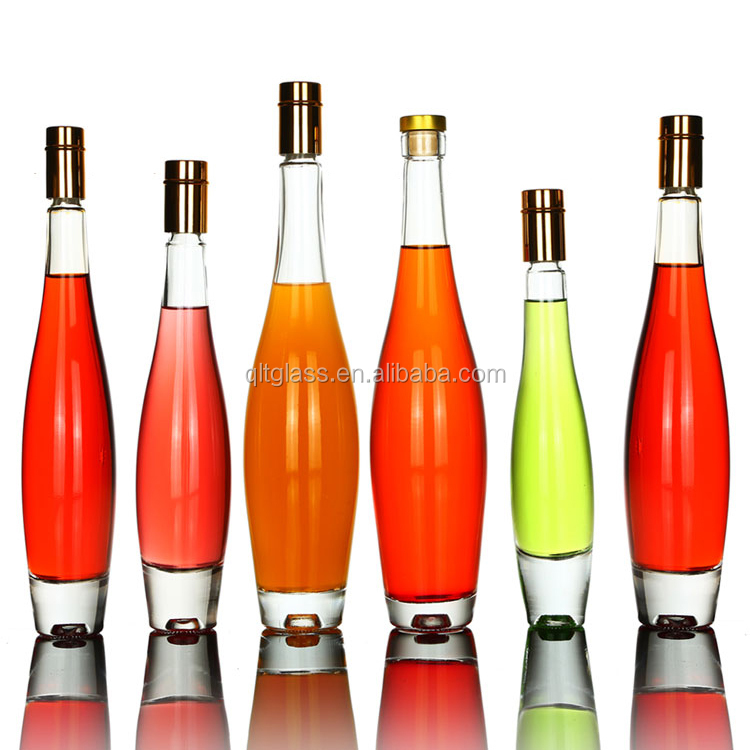
फाइदा:यो क्रमिक संक्रमणले गिलासलाई प्रशोधन गर्न र विभिन्न प्रकारका कन्टेनरहरूमा आकार दिन सजिलो बनाउँछ, जस्तैवाइन बोतलहरू, पेय पदार्थ बोतलहरू, मसलाका भाँडाहरू, महका भाँडाहरू, र अनुकूलित गिलासका भाँडाहरू.
निष्कर्ष
संक्षेपमा, गिलास चार प्रमुख विशेषताहरूद्वारा परिभाषित गरिएको छ:
-
आइसोट्रोपी— सबै दिशामा समान गुणहरू।
-
मेटास्टेबिलिटी— थर्मोडायनामिक रूपमा अस्थिर तर गतिज रूपमा स्थिर।
-
संरचना र गुणहरूको निरन्तर भिन्नता- लचिलो र अनुकूलन योग्य।
-
ठोस र तरल अवस्था बीच निरन्तर संक्रमण— आकार दिन र प्रशोधन गर्न सजिलो।
रासायनिक संरचना जस्तोसुकै भए पनि, यी चार आवश्यक विशेषताहरू पूरा गर्ने कुनै पनि पदार्थलाई गिलास मान्न सकिन्छ। यी अद्वितीय कुराहरू बुझ्नुगिलासका गुणहरूयसले हाम्रो वैज्ञानिक ज्ञानलाई गहिरो मात्र बनाउँदैन तर दैनिक जीवन र आधुनिक उद्योगहरूको लागि गिलास किन यति बहुमुखी सामग्री हो भनेर पनि प्रकाश पार्छ।
पोस्ट समय: अगस्ट-०५-२०२५